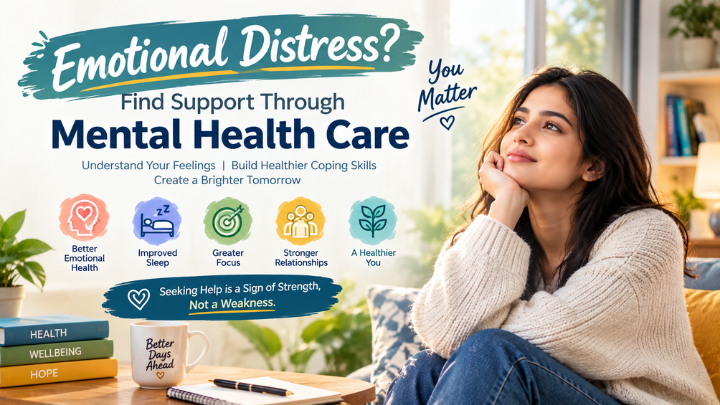
Emotional distress can affect mood, sleep, concentration, relationships, and daily responsibilities. In Pakistan, family conflicts, financial pressure, work stress, academic challenges, grief, and major life changes may contribute to these feelings. Mental health care can help individuals understand their emotions, develop healthier coping strategies, and find suitable support. Experiencing emotional distress does not automatically mean someone has a mental health disorder, but seeking professional help when needed can support emotional well-being.
1. What Causes Emotional Distress and When Should You Seek Help
Emotional distress can develop due to family disagreements, financial uncertainty, workplace challenges, academic pressure, relationship difficulties, grief, and major life changes. In Pakistan, social expectations and concerns about family reputation may also prevent people from discussing emotional struggles openly. Common signs include persistent sadness, excessive worry, irritability, low motivation, sleep disturbances, changes in appetite, and difficulty concentrating. These difficulties may affect relationships, education, work performance, and everyday responsibilities.
Seeking professional help can be beneficial when emotional difficulties persist, worsen, or interfere with daily life. A qualified mental health professional can assess symptoms, explore possible causes, and recommend appropriate support. Asking for help is not a sign of weakness; it is a constructive step towards understanding emotional needs and improving well-being.
Recognizing Signs That You May Need Mental Health Support
Temporary sadness, worry, or frustration can be normal responses to challenging situations. However, persistent emotional difficulties, changes in behaviour, disrupted sleep, reduced social interaction, or loss of interest in usual activities may indicate a need for additional support. These signs do not automatically mean someone has a mental health disorder, as experiences and causes vary between individuals.
A qualified mental health professional can assess these concerns and determine whether further evaluation or treatment may help. Anyone having thoughts of self-harm or struggling to stay safe should seek urgent help from local emergency services or visit the nearest hospital emergency department.
2. How Mental Health Care Supports Emotional Well-Being
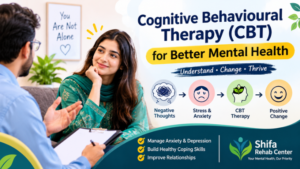
Mental health care helps people understand emotional difficulties and find suitable ways to manage them. A qualified psychologist, psychiatrist, or other appropriately trained professional can assess symptoms and recommend appropriate support. Psychological therapies, such as cognitive behavioural therapy (CBT), can help individuals recognise unhelpful thought patterns and develop healthier coping skills. A psychiatrist may also assess whether medication is appropriate for certain mental health conditions.
Healthy routines, including regular sleep, physical activity, balanced meals, relaxation techniques, and social connection, can support emotional well-being. In Pakistan, concerns about stigma, confidentiality, affordability, and access to qualified professionals may prevent some people from seeking help. Supportive family members can encourage recovery by listening without judgment and respecting personal boundaries. Treatment plans should reflect each person’s needs, preferences, and professional assessment.
Choosing the Right Mental Health Support for Your Needs
Before starting treatment, check a professional’s qualifications, relevant experience, treatment approach, fees, and confidentiality policies. During the first appointment, discuss your symptoms, medical history, previous treatment, and personal concerns openly. Follow-up appointments help review progress and adjust care when necessary. If treatment does not meet your needs, discuss alternatives with your professional rather than changing prescribed medication or stopping treatment without medical advice.
3. Practical Steps to Support Emotional Well-Being and Long-Term Recovery
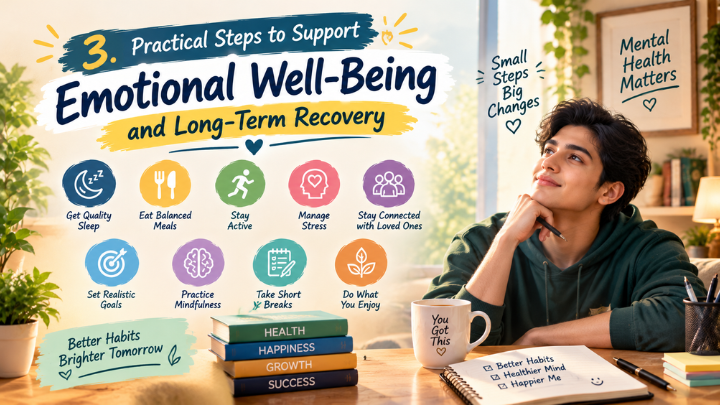
Supporting emotional well-being starts with small, manageable daily habits. Maintaining a regular sleep schedule, eating balanced meals, staying physically active, and making time for enjoyable activities can help manage everyday stress. Identifying stress triggers, setting realistic goals, practicing mindful breathing, and taking short breaks can also help individuals respond to difficult situations. These habits can complement professional mental health care when needed.
Staying connected with trusted friends and family members can reduce feelings of isolation and provide emotional reassurance. However, people should avoid self-diagnosis, unverified online treatments, and changing prescribed medication without medical advice. If emotional distress persists, worsens, or interferes with daily responsibilities, consulting a qualified mental health professional can help identify suitable support. Anyone having thoughts of self-harm or feeling unsafe should seek urgent help from local emergency services or go to the nearest hospital emergency department.
Building a Supportive Environment for Mental Health
In Pakistan, open conversations and respectful family support can help reduce the stigma surrounding mental health care. Listening without judgment, avoiding blame, and respecting personal privacy can encourage individuals to discuss their concerns and seek help when needed. Family involvement should respect each person’s preferences, boundaries, and confidentiality.
Long-term emotional well-being may involve professional support, healthy routines, and meaningful social connections. Since everyone’s circumstances and needs differ, support should remain flexible and appropriate to the individual. Creating a safe and understanding environment can encourage timely help-seeking and support healthier coping over time.
Conclusion
Recognising emotional distress and seeking appropriate mental health care can help individuals understand their feelings and improve their overall well-being. Asking for help is a responsible step, not a sign of weakness, and each person’s support needs may differ. If emotional difficulties persist or affect daily life, consult a qualified mental health professional and explore suitable care options through Shifa Rehab Center.