Ice, also known as crystal methamphetamine, can affect sleep, mood, physical health, and daily life. Difficulty stopping may result from cravings, withdrawal symptoms, and emotional challenges, rather than a lack of willpower. Ice addiction care may involve a medical evaluation, psychological counselling, appropriate clinical support, and a recovery plan tailored to the individual’s needs. With appropriate care and support, individuals can work towards improving their health and rebuilding their lives.
1. Why Can Stopping Ice Use Be Challenging
Repeated ice use can affect the brain’s reward system, sleep patterns, emotions, and decision-making. Over time, a person may experience strong cravings and find it difficult to manage daily activities without the substance. Sleep problems and emotional stress can make it more challenging for individuals to quit using ice. Even when someone recognises the harm caused by drug use, these challenges may make recovery difficult without appropriate support. Professional ice addiction treatment can help individuals understand these difficulties and identify suitable ways to manage them.
Common Signs That Ice Use May Require Professional Help
Certain changes in behaviour, health, and daily routines may indicate that a person needs professional support. These include:
- Strong cravings or repeated unsuccessful attempts to stop using ice.
- Disrupted sleep, persistent exhaustion, reduced appetite, or irregular daily routines.
- Anxiety, irritability, low mood, unusual suspiciousness, or changes in perception.
- Difficulties managing work, studies, finances, family relationships, or everyday responsibilities.
- Continued ice use despite physical health concerns, emotional distress, or problems with relationships.
These signs alone do not establish addiction, but they may show that a qualified healthcare professional should assess the person’s condition. In Pakistan, stigma and fear of judgement may prevent individuals from seeking help. Families can make a positive difference by listening without blame, protecting the person’s privacy, and encouraging professional guidance. A supportive and non-judgemental approach can encourage individuals to share their concerns and explore suitable treatment options.
2. How Does Ice Addiction Treatment Support Recovery
Ice addiction treatment can help individuals address the physical, emotional, and behavioural effects of methamphetamine use. The treatment process focuses on understanding the person’s needs, managing symptoms, developing healthier coping strategies, and supporting progress over time. A qualified healthcare professional can assess the person’s drug-use history, overall health, symptoms, and living situation to recommend appropriate treatment options.
Assessment, Withdrawal Support, and Psychological Counselling
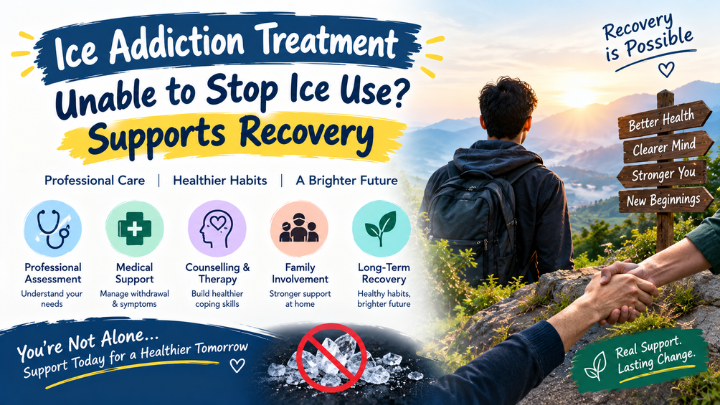
Effective treatment begins with a professional assessment to identify the person’s needs and determine the appropriate level of care. Several approaches may support recovery:
- Professional assessment: A qualified healthcare professional reviews the person’s ice use, medical history, mental health, sleep patterns, and use of any other substances. This assessment helps guide treatment decisions.
- Medical monitoring: Stopping ice use may cause fatigue, sleep disturbances, low mood, and strong cravings. Medical supervision can help identify complications and provide appropriate support based on the person’s symptoms and health needs.
- Psychological counselling: Behavioural therapies can help individuals recognise triggers, manage cravings, develop coping skills, and make healthier decisions. Counselling may also address stress, emotional difficulties, and situations that contribute to substance use.
- Family involvement: With the individual’s consent, family education and counselling can improve communication and help relatives establish healthy boundaries. A caring home environment can help individuals continue treatment without feeling blamed or pressured.
- Individualised recovery planning: Residential rehabilitation or outpatient care may suit different individuals depending on their clinical needs, safety concerns, daily responsibilities, and available support.
There is currently no single medication that reliably cures methamphetamine addiction. Healthcare professionals may address specific symptoms or co-occurring conditions with appropriate medical care. Individuals should not take medication without qualified medical advice. A personalised approach that combines suitable clinical care, psychological support, and continued follow-up can help people work towards recovery while addressing their individual challenges.
3. How Can Individuals and Families Support Long-Term Recovery
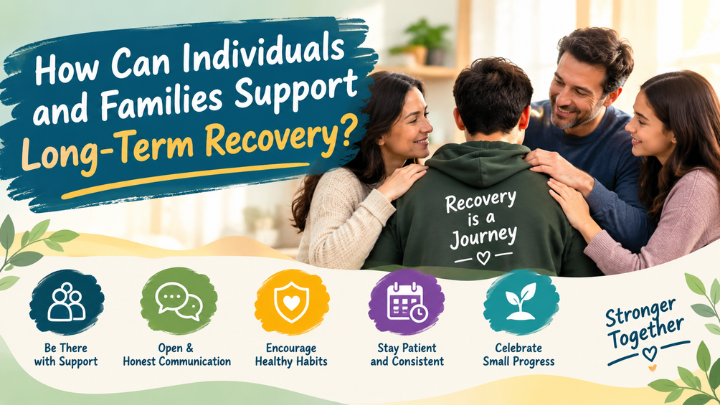
Recovery from ice addiction often requires continued support beyond the initial treatment period. Regular counselling, follow-up appointments, healthy daily habits, and practical strategies for managing cravings can help individuals maintain progress. Families can also play a valuable role by offering encouragement, respecting personal boundaries, and helping their loved ones access appropriate professional care.
Several steps can support long-term recovery:
- Develop a recovery routine: Maintain consistent sleep patterns, eat balanced meals, engage in physical activity when appropriate, and participate in meaningful daily activities. A structured routine can help restore stability and improve overall well-being.
- Identify triggers: Understand which people, places, or stressful situations may lead to cravings or increase the risk of using ice again. A counsellor can help develop strategies to manage these triggers and respond to cravings more effectively.
- Prepare for setbacks: Returning to ice use does not mean a person cannot continue working towards recovery. Contacting the treatment team promptly can help identify contributing factors and adjust the recovery plan. Seek urgent help if the person’s safety or health is at risk.
- Support without stigma: Family members should avoid threats, humiliation, and unnecessary disclosure of private information. Calm conversations, clear boundaries, and respectful encouragement can help create a safer environment for recovery.
- Plan continued care: Follow-up appointments, ongoing counselling, peer support where available, and family involvement with the person’s consent can help address challenges as they arise.
When Should Individuals Seek Urgent Medical Help
Ice use can sometimes lead to serious medical or mental health emergencies. Severe confusion, hallucinations, extreme agitation, chest pain, seizures, or thoughts of suicide require immediate medical attention. In Pakistan, contact local emergency services or visit the nearest emergency department. Do not delay care while waiting for a rehabilitation appointment.
Long-term recovery is a personal process, and each individual may need a different combination of support. With appropriate professional guidance, practical coping strategies, and a respectful support network, individuals can work towards improving their health and rebuilding their daily lives.
Conclusion
Difficulty stopping ice use is a health concern that deserves professional attention, not shame or blame. Ice addiction care may involve a professional assessment, medical support when needed, counselling, family support, and continued follow-up to help individuals work towards recovery. Every individual’s needs are different, so choosing suitable care requires professional guidance. If you or a loved one needs support, contact Shifa Rehab Center to discuss available treatment options and identify an appropriate next step towards recovery.