Drug addiction is a treatable health condition that can affect physical health, mental well-being, and family life. In Pakistan, stigma, treatment costs, and fear of judgement may prevent people from seeking help. Drug Addiction Treatment may include medical assessment, withdrawal management, counselling, rehabilitation, and ongoing support, depending on individual needs. Understanding these options can help individuals and families seek appropriate professional care and work towards recovery.
1. Can Drug Addiction Be Treated With Professional Support
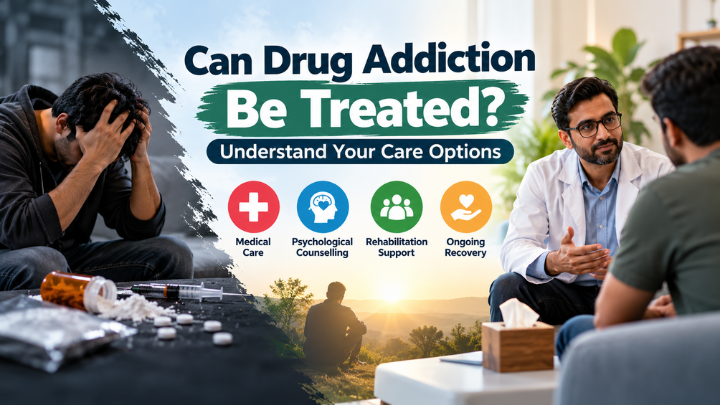
Yes, drug addiction can be treated with appropriate professional support, although recovery looks different for each person. Evidence-based Drug Addiction Treatment can help individuals reduce or stop substance use, manage cravings, improve daily functioning, and develop healthier habits. Treatment may involve medical care, psychological counselling, rehabilitation, and ongoing support, depending on the person’s needs. Recovery may take time, and some individuals need continued care to maintain progress.
Why Is Professional Treatment Important
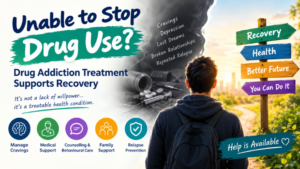
Drug addiction is a health condition, not a sign of weak character or a lack of willpower. Factors such as stress, mental health concerns, family difficulties, and the effects of repeated substance use can make stopping difficult without professional assistance. Blaming or shaming someone may discourage them from seeking help, while compassionate support can encourage them to consider treatment.
How Do Healthcare Professionals Assess Individual Needs
Qualified doctors, psychiatrists, psychologists and addiction-treatment professionals are able to evaluate substance use patterns, physical health, mental well-being and possible withdrawal risks before recommending appropriate care. In Pakistan, individuals and families should ask about a provider’s qualifications, treatment methods, fees, and available support services before making a decision. Confidentiality arrangements should also be discussed, including when information may need to be shared for safety or legal reasons.
Can Recovery Continue After a Relapse
Family members can contribute positively by offering encouragement and helping arrange appointments, with the individual’s consent where appropriate. If a person returns to substance use after a period of improvement, it does not automatically mean recovery is impossible. A healthcare professional can reassess their needs and adjust the treatment plan to support continued progress.
2. What Treatment Options Help With Drug Addiction
Effective Drug Addiction Treatment depends on the substance a person uses, their health, and the challenges they face during recovery. Treatment may combine medical care, psychological counselling, and rehabilitation to address both physical dependence and the behavioural factors associated with substance use. A qualified healthcare professional can recommend suitable options after assessing the individual’s needs.
Medical Assessment and Withdrawal Management
The first stage of treatment usually involves a medical assessment to understand the type of substance used, frequency and amount of use, previous withdrawal experiences, physical health, and mental health concerns. This information helps healthcare professionals identify potential risks and develop an appropriate care plan.
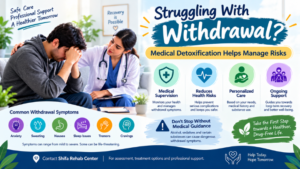
Medically supervised withdrawal management helps individuals cope with withdrawal symptoms while reducing the risk of complications. Depending on the substance and the person’s condition, care may include prescribed medication, fluid and nutritional support, symptom monitoring, and medical supervision. Detoxification is an important step for some people, but it does not address every aspect of addiction and is not a complete treatment on its own.
People should seek the advice of a physician before stopping certain substances, particularly if there is physical dependence or a history of severe withdrawal. Attempting withdrawal without appropriate support can be dangerous in some circumstances. Seizures, severe confusion, hallucinations, breathing difficulties, or loss of consciousness require urgent medical attention. If these symptoms occur, seek emergency care rather than trying to manage them at home.
Psychological Counselling and Rehabilitation
Psychological counselling can help individuals understand the factors contributing to substance use and develop healthier ways to respond to stress, cravings, and difficult emotions. Cognitive behavioural therapy (CBT), for example, can help people recognise triggers, examine unhelpful thought patterns, and practise strategies for managing high-risk situations. Treatment approaches should be selected according to individual needs and clinical recommendations.
Rehabilitation may be provided through outpatient services, where individuals attend appointments while living at home, or residential programmes that offer a structured treatment environment. The appropriate setting depends on factors such as withdrawal risks, medical and psychological needs, home circumstances, and the level of support available.
Family counseling can also help relatives understand addiction, improve communication and set healthy boundaries where family involvement is appropriate and agreed. Regular progress reviews allow healthcare professionals to assess whether the treatment plan remains suitable. Addressing co-occurring mental health concerns, maintaining follow-up appointments, and developing a relapse-prevention plan can further support recovery over time. No single approach works for everyone, so treatment should remain individualised and guided by qualified professionals.
3. How Can Families Support Recovery and Prevent Relapse
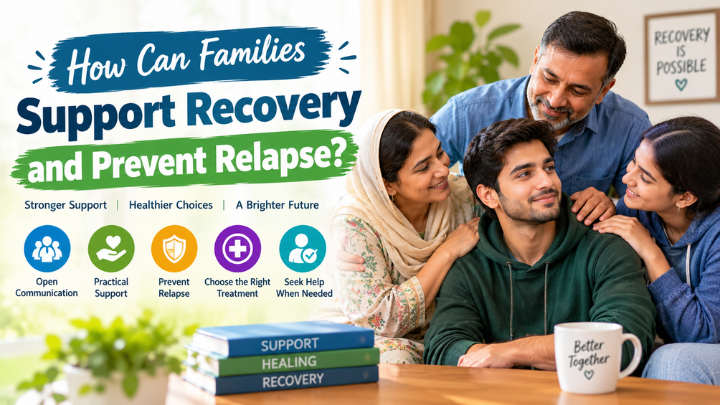
Family support can play an important role in drug addiction recovery. In Pakistan, individuals may hesitate to seek treatment because they fear judgement, family conflict, or social stigma. Relatives can help by communicating calmly, avoiding blame, and treating addiction as a health concern rather than a personal failure. Listening without criticism and encouraging professional care can make it easier for someone to discuss their difficulties and consider available treatment options.
How Can Families Provide Practical Support
Family members may help arrange transport to appointments, encourage healthy sleep and eating routines, and support the person in following professional recommendations. Attending appointments together can be helpful when the individual agrees. However, families should respect personal boundaries and avoid trying to control recovery through threats, punishment, or constant monitoring.
What Helps Prevent Relapse
Relapse prevention consists of identifying situations that may place the individual at higher risk for returning to substance use. Stress, social pressure, contact with people associated with previous substance use, and difficult emotions can act as triggers for some individuals. Continued counselling, coping strategies, supportive relationships, regular follow-up appointments, and a personalised relapse-prevention plan can help people respond to these challenges. If substance use resumes, it does not automatically mean treatment has failed. A healthcare professional can reassess the situation and recommend adjustments to the care plan.
How Can Families Choose a Suitable Rehabilitation Provider
When choosing a rehabilitation provider in Pakistan, families should verify professional qualifications, ask about treatment methods, compare fees, and understand admission, discharge, and aftercare procedures. They should also clarify confidentiality policies and ask how medical emergencies are managed. These questions can help families make informed decisions about suitable care.
When Should Families Seek Emergency Medical Help
If you are experiencing serious medical or psychiatric symptoms, seek professional help. Seizures, breathing difficulties, loss of consciousness, severe confusion, or immediate concerns about a person’s safety require urgent medical assessment. Families should not attempt to manage emergencies through supervision alone. With appropriate treatment, compassionate support, and continued professional guidance, individuals can work towards recovery and improve their quality of life.
Conclusion
Drug addiction can be treated with proper medical care, psychological counseling, rehabilitation and ongoing support. Individuals and families in Pakistan should seek guidance from qualified healthcare professionals instead of relying on unverified remedies or attempting risky withdrawal without medical advice. Shifa Rehab Center can be contacted to enquire about available treatment services, understand care options, and discuss a suitable treatment plan based on individual needs.