
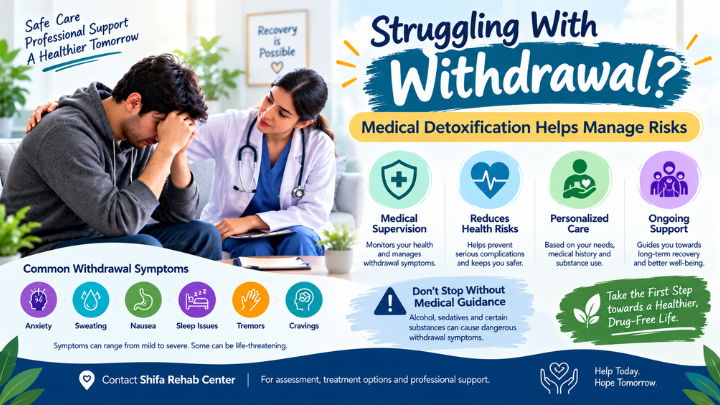
Stopping alcohol, opioids, or other substances may trigger withdrawal symptoms ranging from anxiety, sweating, and nausea to potentially life-threatening medical complications. Medical detoxification provides professional supervision to manage symptoms and identify potential health risks. In Pakistan, stigma, privacy concerns, and treatment costs may prevent people from seeking help. However, a qualified healthcare professional can assess individual needs and recommend appropriate care. Because alcohol and certain sedatives can cause dangerous withdrawal symptoms, consult a qualified healthcare professional before stopping their use. Medical supervision and ongoing care can reduce withdrawal-related risks and help individuals work towards lasting recovery.
1. How Can Substance Withdrawal Affect Your Health
Repeated substance use can cause the body to adapt to a substance’s effects. When a person reduces or stops using it, the body may need time to adjust, leading to withdrawal symptoms. These symptoms can affect physical health, emotional well-being, sleep, and daily activities. Their severity depends on the substance involved, the amount and frequency of use, the duration of use, existing health conditions, and other medications a person takes.
Common withdrawal symptoms include anxiety, sweating, nausea, irritability, sleep disturbances, muscle discomfort, tremors, and strong cravings. Some people experience mild symptoms, while others develop complications that require medical attention. Previous withdrawal episodes, particularly those involving severe symptoms, may also increase the need for careful medical assessment.
Common Substance Withdrawal Symptoms
Withdrawal symptoms differ based on the substance used and the person’s overall health. People may experience anxiety, sweating, nausea, irritability, sleep disturbances, muscle discomfort, tremors, and cravings. Healthcare professionals assess these symptoms and other risk factors to determine the appropriate level of care. Medical supervision can help identify changes in a person’s condition and determine whether additional treatment is necessary.
Which Withdrawal Symptoms Require Urgent Medical Attention
Certain withdrawal symptoms can indicate a medical emergency. Seizures, hallucinations, severe confusion, breathing difficulties, and loss of consciousness require immediate emergency medical assistance. People experiencing these symptoms should not wait for a routine appointment or attempt to manage the situation without professional help.
Alcohol withdrawal and withdrawal from certain sedatives, including benzodiazepines, can become life-threatening, particularly in people with physical dependence. Medical assessment before stopping these substances can help identify risks and guide appropriate care.
Risks After Stopping Opioids
Although opioid withdrawal is rarely life-threatening in otherwise healthy adults, severe vomiting, diarrhoea, and dehydration can lead to complications that require medical care. Another serious concern is relapse after detoxification. When tolerance decreases, returning to a previously used opioid dose can increase the risk of a fatal overdose.
In Pakistan, individuals experiencing severe symptoms should seek immediate emergency care at the nearest hospital. Family members can help by sharing relevant information about substance use and medications with healthcare professionals. Prompt medical attention can reduce preventable complications and support safer treatment decisions.
2. How Medical Detoxification Helps Manage Withdrawal Risks
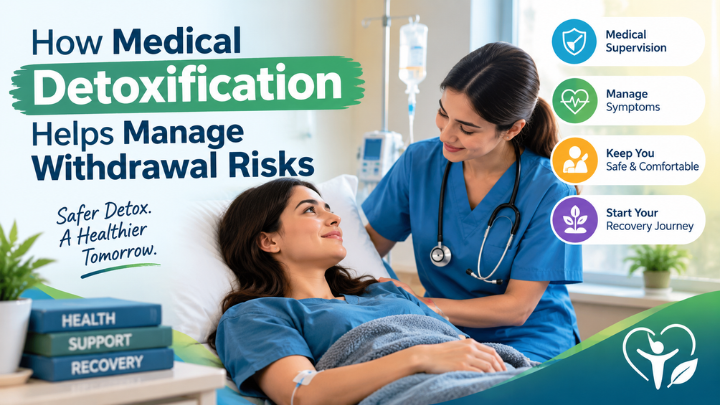
Medical detoxification provides professional supervision to help individuals manage physical symptoms when they reduce or stop using substances. Its primary purpose is to identify potential complications, relieve withdrawal symptoms where possible, and support the person’s health during this transition. Before recommending treatment, healthcare professionals review the individual’s substance use history, current symptoms, medical conditions, prescribed medications, and previous withdrawal experiences. This assessment helps determine whether outpatient support, residential supervision, or hospital-based care is appropriate.
Medical Assessment and Withdrawal Management
During detoxification, qualified medical staff monitor vital signs and changes in symptoms according to the person’s needs. They may provide fluids, nutritional support, and medication when clinically appropriate. Healthcare professionals may prescribe appropriate medications to manage alcohol withdrawal symptoms or support safer opioid withdrawal treatment. Treatment decisions depend on individual circumstances, and medication should only be used under appropriate medical supervision.
Not everyone requires the same level of care. People with a history of severe withdrawal, significant medical conditions, or a risk of serious complications may need hospital-based treatment and closer monitoring. A suitable care plan can help professionals respond promptly if symptoms worsen or new concerns develop.
What Should Patients and Families Expect During Detoxification
The detoxification process generally begins with a medical assessment and an individualised care plan. Healthcare professionals explain the proposed treatment, discuss potential risks, monitor progress, and adjust care when necessary. The duration of detoxification varies depending on the substance involved, symptom severity, overall health, and response to treatment.
Families can support this process by sharing accurate information about the person’s substance use, prescribed medicines, other substances taken, and previous withdrawal complications. Their involvement should respect the patient’s dignity, privacy, and preferences while allowing essential medical information to reach the treating team.
Choosing an Appropriate Detoxification Facility
Before choosing a facility in Pakistan, patients and families should ask about the qualifications of medical staff, availability of clinical supervision, emergency referral arrangements, privacy practices, treatment costs, and services included in the care plan. They should also confirm whether the facility can manage the specific withdrawal risks involved or whether hospital treatment is more appropriate.
Clear communication can help patients understand their options and prepare for treatment. No facility can guarantee a particular outcome or a fixed recovery timeline. Medical detoxification is only the initial stage of treatment, so continued care, counselling, and appropriate follow-up may be necessary to support longer-term recovery.
3. What Happens After Detoxification? Continuing Recovery in Pakistan
Medical detoxification is an important first step, while continued treatment helps individuals manage substance use disorders and work towards long-term recovery. After withdrawal symptoms improve, individuals may still experience cravings, emotional distress, sleep difficulties, or situations that trigger substance use. A continuing care plan helps individuals understand their triggers, develop healthier coping strategies, and address factors that may contribute to substance use.
Treatment Options After Medical Detoxification
Depending on individual needs, follow-up treatment may include counselling, evidence-based psychological therapies, psychiatric assessment, or medication-based treatment when clinically appropriate. These services can help people manage emotional difficulties, address co-occurring mental health concerns, and build practical skills for everyday life. Healthcare professionals may also recommend support groups or structured rehabilitation services where suitable. Regular appointments allow the treatment team to review progress and adjust the care plan as circumstances change.
How Families Can Support Long-Term Recovery
Family support can contribute to recovery, particularly in Pakistan, where relatives often play an important role in healthcare decisions. Family members can encourage treatment attendance, help establish healthy routines, and provide emotional support without blaming or shaming the individual. At the same time, they should respect personal boundaries and confidentiality. When appropriate, family counselling can help relatives understand substance use disorders and learn how to offer constructive support.
Planning Accessible and Reliable Aftercare in Pakistan
Practical planning is equally important. Families may need to consider treatment affordability, transport, work or educational responsibilities, access to qualified professionals, and the availability of follow-up services near their home. Before selecting a rehabilitation facility, they should verify staff qualifications, medical supervision, emergency referral arrangements, privacy practices, and the type of aftercare available. Asking about these details can help families make informed decisions based on clinical needs rather than relying solely on promotional claims.
Recovery varies from person to person, and setbacks do not necessarily mean that treatment has failed. Consistent professional support, appropriate follow-up, and a realistic care plan can help individuals work towards improved health and daily functioning.
If you or a family member is experiencing substance-related difficulties, contact Shifa Rehab Center to enquire about available assessment and treatment services. Discuss your concerns with qualified professionals to understand which options may suit your circumstances. Seeking help is a constructive step towards safer care and continued recovery.
Conclusion
Medical detoxification can help manage withdrawal risks through professional assessment, clinical monitoring, and individualised care. Attempting to stop alcohol or certain sedatives without medical guidance can be dangerous and may lead to serious complications. Although detoxification addresses the immediate effects of withdrawal, continued treatment and aftercare can help individuals work towards long-term recovery. If you or a family member is experiencing substance-related difficulties, seek support from qualified healthcare professionals without shame or delay. Contact Shifa Rehab Center to enquire about available assessment and treatment services and explore suitable options for your needs.

Pingback: Ice Addiction Treatment in Pakistan | Recovery Guide
Pingback: Alcohol Addiction Relapse | Effective Prevention Tips