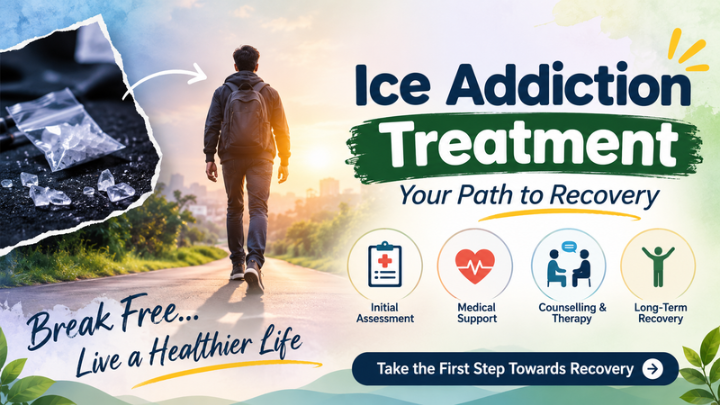
Ice addiction, also known as crystal methamphetamine addiction, can affect physical health, mental well-being, relationships, and daily responsibilities. In Pakistan, social stigma and fear of judgement may prevent individuals from seeking professional help. Ice addiction treatment involves medical assessment, withdrawal management, psychological counselling, and ongoing recovery support. Understanding this process can help individuals and families make informed decisions and seek appropriate professional care.
1. What Happens During the Initial Assessment for Ice Addiction Treatment
The initial assessment is an important stage of ice addiction treatment because it helps healthcare professionals understand the patient’s substance use history, physical health, and psychological condition. Doctors ask about the frequency and duration of crystal methamphetamine use, previous treatment attempts, and the use of other substances, including alcohol or prescription medicines. This information helps identify possible health risks and determine suitable treatment options.
Reviewing Medical and Substance Use History
During the assessment, doctors review symptoms such as sleep disturbances, appetite changes, anxiety, depression, irritability, agitation, and strong cravings. They may also ask about changes in behaviour, relationships, and daily responsibilities to understand how ice use is affecting the patient’s life.
Evaluating Physical and Mental Health
Healthcare professionals may conduct a physical examination and recommend relevant medical tests to assess overall health. Depending on the patient’s condition, they may check blood pressure, heart rate, nutritional health, and possible mental health concerns. Severe psychological or physical symptoms may require further medical evaluation.
Developing an Individual Treatment Plan
Once the assessment results have been reviewed, medical professionals will create a treatment plan tailored to the patient’s specific recovery needs, substance use patterns and medical history. This may include medical monitoring, counseling, behavioral therapies, and follow-up support. Patient confidentiality and respectful communication are also important during the process. When family members consent to participate, they can provide valuable information and support to the patient.
2. What Treatment Methods Help Manage Ice Addiction
Managing ice addiction requires medical support and psychological care to address withdrawal symptoms, behavioural changes, and cravings. Since crystal methamphetamine can affect physical and mental health, healthcare professionals select suitable treatment methods according to each patient’s condition, substance use history, and recovery needs.
Medical Support and Withdrawal Management
When a person ceases using ice they may suffer withdrawal symptoms such as extreme tiredness, disturbed sleep, increased appetite, anxiety, mood changes and strong cravings. Some people may also experience depression, trouble concentrating, and a lack of motivation in early recovery.
These symptoms are taken care of by healthcare professionals who offer the necessary medical assistance. This assistance can include health checks, hydration, nutritional care, and sleep management. Get emergency medical help if you have severe depression, suicidal thoughts, paranoia or psychosis. There is no single medication that has been approved for treating ice addiction universally, so any medication should be considered by qualified professionals.
Counselling and Behavioural Therapy
Individual counselling helps patients understand addictive behaviours, identify personal triggers, and develop healthier ways to manage stress and difficult emotions. Cognitive Behavioural Therapy (CBT) is another useful approach that helps individuals recognise harmful thought patterns and develop practical strategies for managing cravings and avoiding high-risk situations.
Contingency management is an evidence-based behavioural approach that uses structured incentives to encourage positive treatment behaviours, such as attending counselling sessions and meeting recovery goals. These approaches can help improve treatment participation and support progress.
Relapse Prevention and Recovery Planning
Relapse-prevention planning helps patients recognise situations, emotions, and social environments that may increase the risk of returning to ice use. Healthcare professionals can help individuals develop practical coping strategies, establish healthier routines, and prepare for challenging situations.
Regular counselling and follow-up appointments also allow treatment professionals to review progress and adjust the recovery plan when needed. If cravings return or symptoms become difficult to manage, seeking professional support early can help patients receive appropriate care.
3. How Can Patients Maintain Recovery After Ice Addiction Treatment
Recovery from ice addiction continues beyond the initial treatment or rehabilitation programme. Maintaining progress requires ongoing professional support, healthy routines, and attention to physical and mental well-being. Since cravings and emotional challenges may continue after stopping crystal methamphetamine, a structured recovery plan can help individuals manage difficulties and reduce relapse risks.
Regular Follow-Up and Professional Support
Regular follow-up appointments give healthcare professionals a chance to monitor recovery progress, assess mental health, and identify any concerns that may require further attention. Ongoing counseling can also help patients to cope with stress, identify personal triggers and develop coping skills.
If the urges return or the emotional distress increases, patients should seek professional help. Doctors and therapists can go through the course of treatment and recommend further support according to individual needs.
Family Support and Healthy Daily Habits
Family encouragement can help create a supportive recovery environment, particularly in Pakistan, where family relationships often play an important role in everyday life. Relatives can support patients through respectful communication, avoiding blame, and encouraging continued treatment. However, family involvement should always respect the patient’s privacy and consent.
Developing healthy routines is equally important. Maintaining a regular sleep schedule, eating balanced meals, staying physically active according to health needs, and building positive social connections can support overall well-being. Avoiding environments associated with previous substance use may also help reduce exposure to triggers.
Managing Social Challenges and Preventing Relapse
People recovering from ice addiction may experience social pressure, financial difficulties, fear of being judged and limited understanding of addiction in their communities. Talking about these challenges with healthcare providers may help patients find realistic ways to continue treatment and maintain progress.
But a return to ice use doesn’t mean recovery is impossible, or that previous treatment was a total failure. This could mean re-assessing the current recovery plan or needing more support. Seeking help from a professional early can help a person cope with setbacks and continue to work toward long-term recovery.
Conclusion
Ice addiction treatment involves professional assessment, medical support, counselling, and ongoing recovery care. Since every patient’s needs are different, treatment should be personalised. Individuals and families in Pakistan should seek qualified professional help without letting social stigma delay care. Shifa Rehab Center encourages individuals to enquire about available treatment options and take an informed step towards recovery.