Recovering from alcohol addiction is an important step towards better health and emotional well-being. However, staying alcohol-free can be challenging due to stress, emotional difficulties and social pressure. Some individuals may experience strong cravings or return to drinking after treatment. This is known as an alcohol addiction relapse.
In Pakistan, family conflicts, financial stress and social environments can make recovery more difficult. With professional treatment, counselling and ongoing support, individuals can learn to manage these challenges and reduce the risk of relapse.
Understanding relapse triggers and recognising early warning signs can help individuals and families take timely action towards long-term recovery.
What Causes Alcohol Addiction Relapse During Recovery?
Alcohol addiction relapse occurs when someone returns to drinking after a period of abstinence. It can happen for several reasons, and understanding these factors is important for preventing future setbacks.
Alcohol dependence affects both physical and psychological well-being. Even after completing detoxification or rehabilitation, a person may continue experiencing emotional difficulties, cravings or situations that remind them of previous drinking habits.
Common Alcohol Relapse Triggers
Recognising personal triggers is one of the most important parts of alcohol relapse prevention. Some common factors include:
1. Stress and Emotional Pressure
Work-related difficulties, financial problems, relationship conflicts and family responsibilities can create emotional pressure. Some individuals may think about drinking as a way to escape uncomfortable feelings. Without healthy coping strategies, these situations can increase the risk of returning to alcohol.
2. Social Pressure and Old Friendships
Social gatherings, weddings and meetings with friends can become challenging for individuals recovering from alcohol addiction, particularly when alcohol is present. Spending time with people associated with previous drinking habits may also increase cravings.
3. Anxiety and Depression
Mental health challenges can make recovery more difficult. Individuals experiencing anxiety, depression, loneliness or emotional distress may struggle to manage their feelings without professional support.
4. Strong Alcohol Cravings
Cravings can occur even after a person has stopped drinking. Certain memories, familiar environments, emotional experiences or everyday situations may trigger thoughts about alcohol.
5. Lack of Continued Support
Completing a rehabilitation programme does not mean that recovery support is no longer necessary. Without regular follow-ups, counselling or a structured recovery plan, individuals may find it harder to manage unexpected challenges.
Understanding these triggers allows individuals to recognise risky situations before they develop into a return to drinking.
How to Prevent Alcohol Relapse and Maintain Long-Term Recovery
Preventing alcohol addiction relapse requires more than simply avoiding alcohol. It involves developing healthier habits, managing emotional challenges and maintaining consistent support throughout recovery.
Every individual’s recovery journey is different, so prevention strategies should be based on their personal circumstances, health needs and treatment progress.
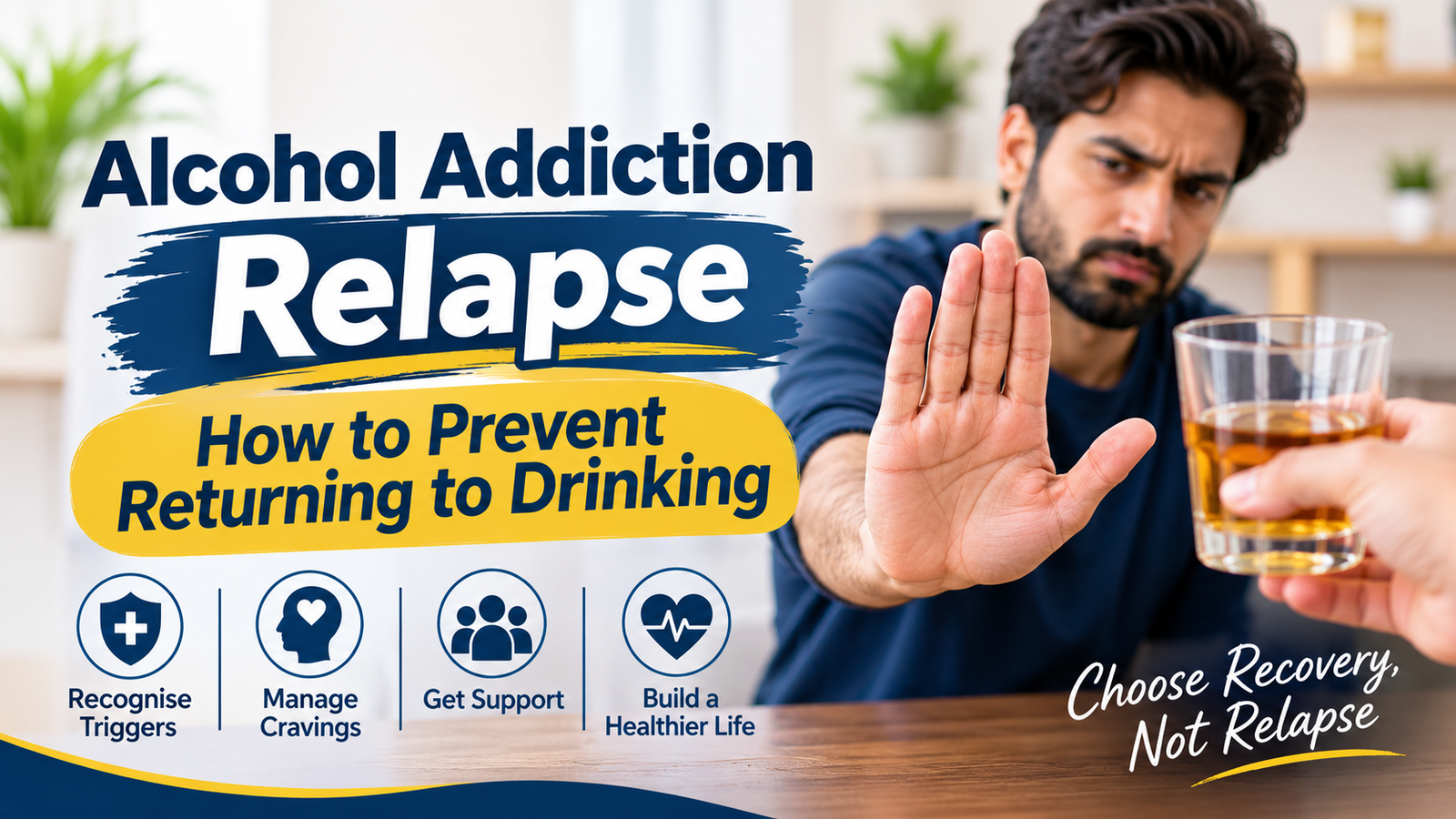
Effective Alcohol Relapse Prevention Strategies
1. Identify and Avoid Personal Triggers
Individuals should understand which people, places, emotions or situations increase their desire to drink. Keeping a record of these experiences can help identify repeated patterns. Where possible, avoiding high-risk environments and planning alternative activities can reduce exposure to triggers.
2. Continue Professional Counselling
Counselling helps individuals understand the emotional and behavioural factors connected to alcohol dependence. Cognitive behavioural therapy (CBT), for example, can help people recognise unhealthy thought patterns, manage stress and develop healthier responses to difficult situations.
3. Build a Healthy Daily Routine
A structured routine can provide stability during recovery. Regular sleep, balanced meals, physical activity and meaningful daily activities can support overall well-being. Spending time on hobbies, learning new skills or participating in positive social activities can also help individuals focus on life beyond alcohol.
4. Develop a Strong Support System
Family members and trusted friends can play an important role in recovery. Their encouragement, patience and understanding can help individuals feel less isolated. Involving family members in counselling, when appropriate, can also improve communication and create a more supportive home environment.
5. Follow Medical Advice and Treatment Plans
Some individuals may benefit from prescribed medication alongside counselling and behavioural treatment. However, medication decisions should always be made by qualified healthcare professionals after assessing the patient’s condition and medical history.
6. Stay Connected With Recovery Support
Regular follow-up appointments, professional counselling and appropriate support groups can help individuals manage challenges after rehabilitation. Continued support also allows healthcare professionals to review treatment progress and make necessary adjustments.
These strategies can help reduce relapse risks, but they should be part of an individualised recovery plan rather than a one-size-fits-all solution.
When Should You Seek Professional Help for Alcohol Relapse?
Seeking professional help is important when an individual begins experiencing frequent alcohol cravings, struggles to avoid drinking situations or notices a return to previous drinking habits.
Some warning signs may include:
- Frequently thinking about drinking alcohol.
- Returning to people or environments associated with previous drinking habits.
- Hiding drinking-related behaviour from family members.
- Experiencing difficulty managing stress or emotional challenges.
- Losing interest in recovery activities or counselling sessions.
- Returning to alcohol after a period of abstinence.
Recognising these signs early can help individuals receive appropriate support before their drinking becomes more difficult to manage.
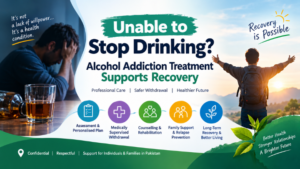
Professional treatment may involve medical assessment, psychological counselling, behavioural therapy and continued recovery planning. Treatment should address both the physical and emotional aspects of alcohol dependence.
Why Medical Supervision Matters
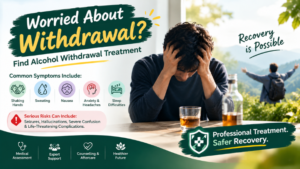
Alcohol withdrawal can be medically dangerous, particularly for individuals who have been drinking heavily or regularly for a prolonged period. Suddenly stopping alcohol without medical advice can cause serious complications, including seizures and severe confusion.
Medical professionals can assess withdrawal risks and determine whether supervised detoxification or other treatment is necessary. Anyone experiencing severe withdrawal symptoms, including seizures, hallucinations or severe confusion, needs emergency medical attention.
How Shifa Rehab Center Supports Alcohol Addiction Recovery
At Shifa Rehab Center Islamabad, individuals seeking help for alcohol dependence can access professional support through personalised treatment, medically supervised alcohol detoxification and recovery counselling.
The centre’s alcohol addiction treatment programme focuses on helping individuals manage withdrawal, understand the factors contributing to alcohol dependence and develop healthier habits. Counselling and relapse prevention support can also help patients prepare for challenges they may encounter after treatment.
Family support and continued aftercare are important parts of the recovery process. Individuals and families looking for professional alcohol addiction treatment in Islamabad can learn more about the available services at Shifa Rehab Center.
Conclusion
Alcohol addiction relapse can be a challenging experience, but it does not mean that recovery has failed. Understanding personal triggers, maintaining healthy routines, attending counselling sessions and receiving continued professional support can help individuals manage the challenges of staying alcohol-free.
Recovery is an ongoing process that requires patience, commitment and the right support system. Families also have an important role in creating an understanding environment where individuals feel comfortable seeking help without fear of judgement.
If you or someone in your family is struggling with alcohol dependence or experiencing a return to drinking, seeking professional assistance is an important step towards better health. Shifa Rehab Center Islamabad provides alcohol addiction treatment and recovery support to help individuals work towards a healthier future